
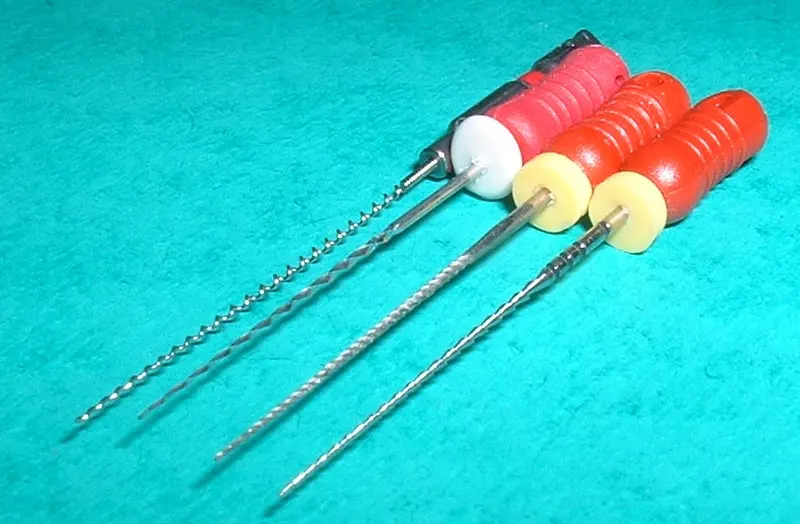
About root canal treatment
Root canal treatment removes infected or dying pulp - the soft tissue containing the nerve and blood supply - from the inside of a tooth. The tooth is then cleaned, shaped and sealed to stop it becoming infected again. Without it, an infected tooth may need to be taken out.
The pulp can become infected through deep decay, gum disease, a crack or chip, or an injury, and an abscess may develop. Root canal treatment is done under local anaesthetic, and the Oral Health Foundation says it should feel similar to having a filling; the tooth may be tender for a few days afterwards.
A root-treated tooth can become more brittle, so your dentist may recommend a crown to protect it. The tooth can still decay, so it needs the same care as your other teeth.
How it works
- The tooth is numbed with local anaesthetic
- An opening is made in the tooth and the infected or dead pulp is removed; any abscess is drained
- The root canals are cleaned, shaped and disinfected
- The canals are sealed, and a temporary filling may be placed between appointments
- A permanent filling - or a crown if the tooth is weak - completes the treatment
Time, lifespan and cost
- Time needed
- Usually two or more appointments of 1 to 2 hours, sometimes longer.
- How long it lasts
- The Oral Health Foundation says a root-filled tooth lasts on average 5 to 10 years, and many last much longer with good care.
- On the NHS?
- Available on the NHS. Root canal treatment is a Band 2 NHS treatment in England (£76.60 from 1 April 2026) unless you are exempt. Your dentist should be able to provide it, but may refer complex cases to another service. Emergency partial root canal treatment can be done at an urgent (Band 1) appointment. NHS charges
Private cost
From £436 to from £1,750
From £436 (mydentist myoptions, England/Wales); front tooth from £1,390 and back tooth from £1,750 (Bupa Dental Care London Bank).
Published starting prices from individual practice price lists, checked September 2026. These are not averages and your quote could be higher. Sources: mydentist: myoptions private dental care price list, Bupa Dental Care London Bank: Treatment prices.
Private fees vary widely between practices and depend on the complexity of your case and the materials used, so we do not quote a typical price. Always ask for a written treatment plan with costs before you agree to treatment. (Source: NHS: Root canal treatment)
Pros and cons
Pros
- Can save a tooth that would otherwise need extracting
- Removes the source of infection and pain
- Done under local anaesthetic
- Available on the NHS
Cons
- Usually needs two or more appointments
- The tooth may be sore for a few days to a couple of weeks
- A root-treated tooth can become brittle and may need a crown
- Complex cases may need referral to a specialist (endodontist)
Aftercare
- Take paracetamol or ibuprofen if the tooth is sore
- Be careful not to bite your cheek or tongue while numb
- Be careful not to bump or knock your mouth
- Go to all follow-up appointments, including for any crown
- Brush and clean between your teeth as normal
Risks and side effects
- Tenderness or swelling for a few days after treatment
- The tooth fracturing if not adequately protected
- Reinfection, which may mean retreatment or extraction
- Decay in the root-treated tooth if oral hygiene is poor
Your dentist should explain the risks that apply to you before you agree to treatment.
Problems it can help with
A tooth that has broken badly - especially after an accident - needs prompt dental care. What to do right now and what treatment may follow.
A small piece has broken off a tooth. Usually not serious, but worth getting checked. What to do now and how dentists repair chips.
Pain when biting, or twinges with hot and cold, can mean a cracked tooth. Cracks cannot heal on their own, so early treatment matters.
A build-up of pus from an infection in a tooth or gum. It will not go away on its own and needs urgent dental treatment.
A filling has fallen out, cracked or feels loose. How to protect the tooth until you are seen and what a dentist might do next.
An adult tooth knocked out can often be saved if you act within the hour. Step-by-step first aid, plus what happens at the dentist.
Decay often starts silently and ends in holes, pain or infection. How it develops, the early warning signs and the treatments at each stage.
Toothache has many causes, from decay to a cracked tooth. How to ease the pain now, when to see a dentist and when it's an emergency.
Common questions
Does root canal treatment hurt?
It should not. It is done under local anaesthetic and should feel similar to having a filling, although the tooth can feel tender for a few days afterwards.
What is the alternative?
Usually removing the tooth. If an infected tooth is not treated, it may need to be taken out.
Will I need a crown afterwards?
Possibly. After root canal treatment the tooth no longer has a living nerve and can be more brittle, so your dentist may recommend a crown if a filling will not be strong enough.
Sources we used
- NHS: Root canal treatment
- Oral Health Foundation: Root canal treatment
- NHS: Dental treatments
- NHS: How much NHS dental treatment costs
- NHS dental charges from 1 April 2026 (poster, PDF)
- NHS: Dental abscess
- mydentist: myoptions private dental care price list
- Bupa Dental Care London Bank: Treatment prices
Checked September 2026. Guidance changes, so always follow the advice of your own dental team. About our sources.