
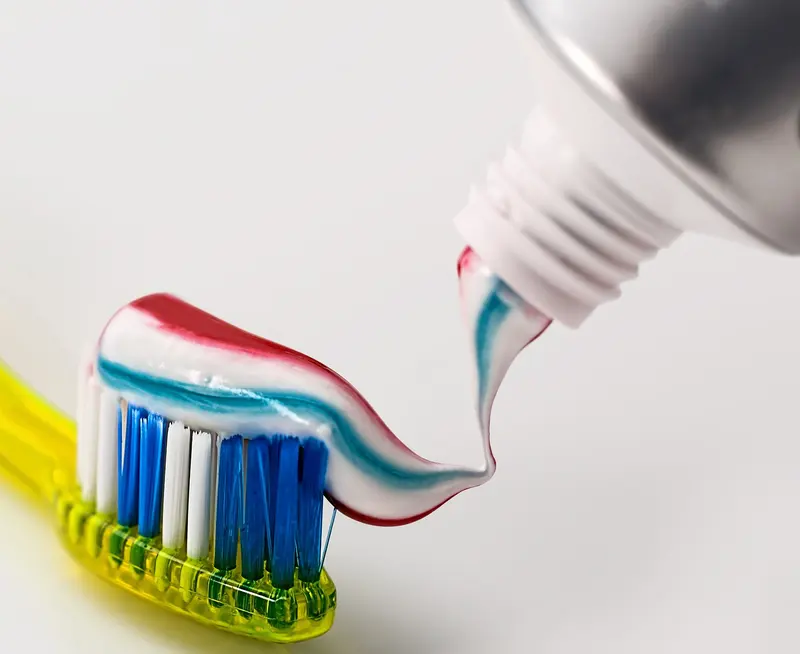
Brushing is the single most useful thing you can do for your teeth at home, and it is also the easiest to get slightly wrong. The good news is that the fixes are simple and cost nothing.
This guide pulls together current advice from the NHS and the Oral Health Foundation. It is general information rather than a personal plan, so if your dentist or hygienist has given you specific instructions, follow theirs.
How often and for how long
The NHS recommends brushing twice a day for about two minutes each time. One of those sessions should be last thing at night before bed, because night-time brushing is especially important; the other can be whenever suits your routine.
Two minutes feels longer than you think. A phone timer, a song or a toothbrush with a built-in timer can help you stop short-changing the back teeth.
Pick the right toothpaste
What matters most is fluoride. The NHS advises adults to use a toothpaste containing at least 1,350 parts per million (ppm) fluoride; the amount is printed on the tube or box.
Children can use family toothpaste with 1,350 to 1,500ppm fluoride. Children aged 3 and under who do not have tooth decay can use a lower-strength children's toothpaste, as long as it contains at least 1,000ppm. Your dentist may recommend a higher-strength toothpaste if you need extra protection.
- Under 3s: a smear of toothpaste
- Ages 3 to 6: a pea-sized amount
- Make sure children don't lick or eat toothpaste from the tube
A simple brushing routine
The goal is to clean every surface of every tooth: the outside faces, the inside faces and the chewing surfaces. Working round your mouth in the same order each time makes it much harder to miss a section.
- Use a brush with a small head and medium or soft bristles – the NHS says this suits most adults.
- Angle the bristles towards the point where your teeth meet your gums.
- Move gently from tooth to tooth rather than scrubbing hard; brushing too hard can wear teeth and irritate gums.
- Do the outside surfaces, then the inside surfaces, then the biting surfaces of the upper and lower teeth.
- If you use an electric brush, guide it slowly from tooth to tooth and let the brush head do the work.
- Finish by spitting out the excess toothpaste – don't rinse.
Spit, don't rinse
It feels natural to rinse with water after brushing, but the NHS advises against it. Rinsing washes away the concentrated fluoride left on your teeth and reduces its protective effect.
The same applies to mouthwash. If you like to use one, choose a different time of day, such as after lunch, and avoid eating or drinking for 30 minutes after a fluoride mouthwash.
Timing brushing around food and drink
Sugary and acidic foods and drinks temporarily soften the surface of the teeth. The Oral Health Foundation suggests waiting at least an hour after eating before you brush, so saliva has time to neutralise acids and re-harden enamel.
If you want your mouth to feel fresh straight after a meal, drinking water or chewing sugar-free gum are gentler options.
Don't forget between your teeth
A toothbrush can't reach properly into the gaps between teeth. The NHS recommends cleaning between your teeth every day with floss or interdental brushes, and suggests doing it before you brush. Our flossing and interdental cleaning guide explains how.
Keep your brush in good shape
The NHS suggests replacing your toothbrush every 2 to 3 months. The Oral Health Foundation gives similar advice for electric brush heads: change them every three months, or sooner if the bristles start to splay.
Common questions
Is an electric toothbrush better than a manual one?
The NHS says both are equally good as long as you clean all surfaces of all your teeth and use fluoride toothpaste, although some people find it easier to clean thoroughly with an electric brush. A Cochrane review found electric brushes reduced plaque and gum inflammation slightly more than manual brushes, but the long-term importance of that difference is unclear.
Should I brush before or after breakfast?
Either can work. If your breakfast includes acidic foods or drinks such as fruit juice, the Oral Health Foundation suggests waiting at least an hour after eating before brushing. Brushing before breakfast avoids that wait.
How much toothpaste should my child use?
The NHS advises a smear of toothpaste for children under 3 and a pea-sized amount for children aged 3 to 6. Children should be helped or supervised when brushing until they are at least 7.
My teeth feel sensitive when I brush. What should I do?
The Oral Health Foundation lists brushing too hard and using a hard brush among common causes of sensitivity. A soft brush, gentle technique and a toothpaste for sensitive teeth can help, but see a dentist if the pain is severe, lasts more than a few weeks or affects one tooth.
Can I use mouthwash straight after brushing?
The NHS advises against it, because it washes away the fluoride from your toothpaste. Use mouthwash at a different time of day instead.
Sources we used
- NHS: How to keep your teeth clean
- NHS: Children's teeth
- NHS: Dental abscess
- Oral Health Foundation: Electric toothbrushes
- Oral Health Foundation: Diet and my teeth
- Oral Health Foundation: Sensitive teeth
- Cochrane: Powered versus manual toothbrushes
Checked September 2026. Guidance changes, so always follow the advice of your own dental team. About our sources.