
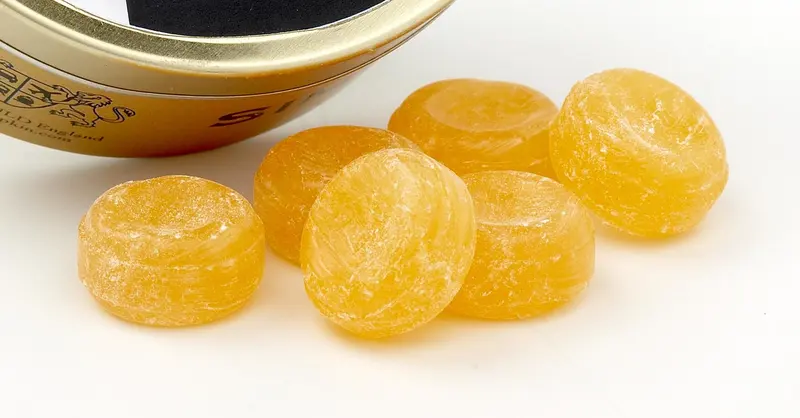
What you eat and drink – and how often – has a direct effect on your teeth. Sugar feeds the bacteria that cause decay, while acidic food and drink can soften and wear away enamel.
You don't need to give up treats altogether. Small changes in timing and choice make a real difference.
Why sugar matters
The NHS describes sugar as one of the main causes of tooth decay. It is not only the amount that counts but how often and for how long your teeth are exposed: sipping a sugary drink or sucking sweets throughout the day keeps teeth under constant attack.
The Oral Health Foundation explains that saliva helps neutralise the acids produced after sugar, but it cannot keep up if sugar is arriving all day.
How much is too much?
The NHS recommends that 'free sugars' – sugars added to food and drink, plus those in honey, syrups and fruit juices or smoothies – make up no more than 5% of daily energy. That means no more than 30g a day for adults (roughly seven sugar cubes). The NHS notes a can of cola can contain as much as nine cubes' worth.
Sugars found naturally in whole fruit, vegetables and milk are not counted as free sugars and are less likely to cause decay, because they are contained within the food's structure.
Spotting hidden sugar
The Oral Health Foundation points out that sugar turns up in savoury products such as baked beans, pasta sauces and ready meals. On labels, ingredients ending in '-ose' – glucose, fructose, sucrose, dextrose, maltose – are sugars, and so are honey, syrups, molasses and fruit juice concentrates. 'Natural', raw or unrefined sugars harm teeth just as much as white sugar.
On UK nutrition labels, more than 22.5g of total sugars per 100g counts as high and 5g or less per 100g as low.
Keep sugar to mealtimes
Having sweet foods as part of a meal rather than between meals reduces the number of sugar attacks. If you want a snack, the Oral Health Foundation suggests tooth-friendly options.
- Cheese
- Plain yoghurt
- Raw vegetable sticks
- Breadsticks, plain bagels, rice cakes, toast or crumpets
- Nuts and seeds
Choosing drinks
Plain water and milk are the best drinks for teeth. Tea and coffee without sugar are fine for decay, though they can stain over time. The NHS suggests limiting fruit juice and smoothies to 150ml a day in total and drinking them with meals. If you have fizzy or acidic drinks, have them with food rather than sipping throughout the day.
Acid and tooth wear
Acidic foods and drinks temporarily soften enamel. The Oral Health Foundation advises waiting at least an hour after eating or drinking before brushing, so you don't brush away softened enamel. In the meantime, drinking water, chewing sugar-free gum for about 20 minutes or using a fluoride mouthwash can help.
Acid wear from fizzy drinks, fruit juice, citrus fruit or stomach acid is also a common cause of sensitive teeth.
Common questions
Is fruit bad for my teeth?
Whole fruit is much less likely to cause decay than juice, because the sugars stay inside the fruit's structure. Juicing or blending releases them, which is why the NHS suggests a 150ml daily limit for juice and smoothies, with meals.
Are 'natural' sugars like honey better for teeth?
No. The Oral Health Foundation says honey, coconut sugar, agave and other 'natural' sugars cause decay in the same way as white sugar.
Should I brush straight after eating?
Not if you have had something sugary or acidic – wait at least an hour. Water or sugar-free gum can freshen your mouth in the meantime.
Is diet cola OK for teeth?
Sugar-free drinks avoid the sugar, but fizzy drinks can still be acidic and contribute to tooth wear. Have them with meals rather than sipping throughout the day.
Do dried fruits count as a healthy snack for teeth?
The NHS suggests eating dried fruit as part of a meal rather than as a between-meal snack, because it can bathe the teeth in sugar.
Sources we used
- NHS: Sugar – the facts
- NHS: Looking after your baby's teeth
- Oral Health Foundation: Diet and my teeth
- Oral Health Foundation: Sensitive teeth
Checked September 2026. Guidance changes, so always follow the advice of your own dental team. About our sources.