
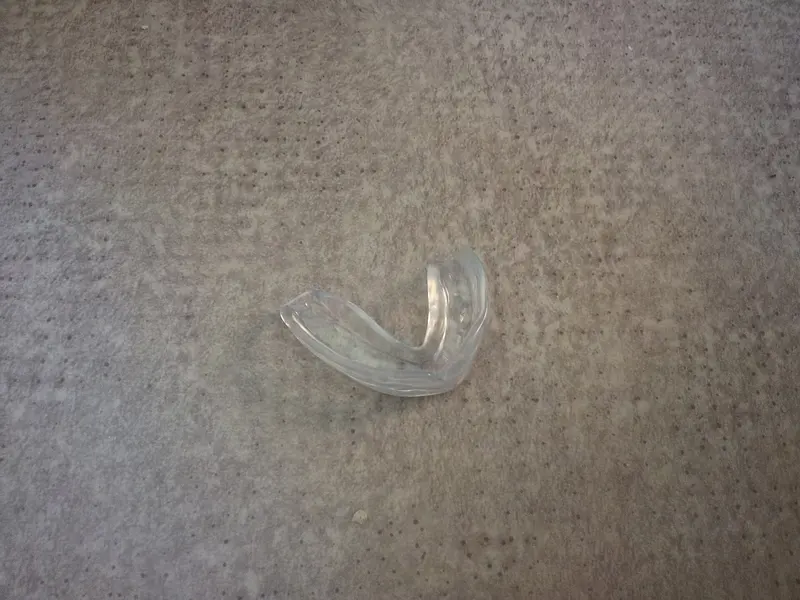
About sports mouthguards
A mouthguard is a rubber-like cover worn over the teeth and gums that cushions the mouth and helps protect the teeth and jaw from injury. The Oral Health Foundation recommends one for contact sports and any sport with a risk of being hit in the mouth - such as rugby, hockey, cricket, football, boxing and martial arts - and for activities involving falls or fast-moving objects, such as skateboarding or mountain biking.
Sport is a significant cause of dental injuries. The Oral Health Foundation reports that between 13% and 39% of dental injuries in the UK are linked to sport, and that athletes are far more likely to damage their teeth without a mouthguard.
Custom-made mouthguards from a dentist fit best. The Oral Health Foundation does not recommend shop-bought or home-moulded guards, as they often fit poorly, can be uncomfortable, may fall out during play, give less protection and can be a choking risk.
How it works
- Your dentist takes an impression of your teeth
- A dental laboratory makes a guard that fits your mouth exactly
- You usually receive it within about a week
- Take it to check-ups so the fit can be checked
Time, lifespan and cost
- Time needed
- Usually one appointment for impressions; the Oral Health Foundation says the guard typically arrives within about a week.
- How long it lasts
- Children and teenagers may need new guards more often as their teeth and jaws change; adults can keep one longer but may need to replace it every few years.
- On the NHS?
- Usually private only. Sports guards are specifically excluded from NHS Band 3 custom-made appliances in England, so they are a private item. NHS charges
Private cost
Private fees vary widely between practices and depend on the complexity of your case and the materials used, so we do not quote a typical price. Always ask for a written treatment plan with costs before you agree to treatment. (Source: NHS: How much NHS dental treatment costs)
Pros and cons
Pros
- Reduces the risk of broken, chipped and knocked-out teeth
- Helps protect lips, tongue, cheeks and jaw
Cons
- Custom guards are a private item, not available on the NHS
- Children need replacements as their mouths grow
- Must be cleaned and stored properly
Aftercare
- Clean it after every use and let it dry
- Soak it in a denture, retainer or brace cleaning solution as advised
- Store it in a hard plastic case, away from heat
- Never share a mouthguard
- Brush and clean between your teeth before and after wearing it
Risks and side effects
- Poorly fitting guards can cause jaw pain, headaches and soreness
- Bacteria build up if the guard is not cleaned
Your dentist should explain the risks that apply to you before you agree to treatment.
Problems it can help with
Top teeth that stick out or overlap the bottom ones too deeply. What counts as normal, why it matters, and how braces can help.
Common questions
Are boil-and-bite guards good enough?
The Oral Health Foundation does not recommend shop-bought or home kits, as they often fit poorly and give less protection. Bristol Dental School also advises against boil-in-the-bag guards.
Do children need a mouthguard?
Yes, for contact sports. The Oral Health Foundation says sport accounts for around 25% of children injuring or losing front teeth, and children may need new guards more often as they grow.
What if a tooth is knocked out during sport?
Act fast: hold the tooth by the crown, put it back in the socket if you can or keep it in milk or saliva, and get to a dentist immediately.
Useful at home
Products that can help with day-to-day care alongside this treatment. Ask your dental team what suits you. Some links may be affiliate links.
OPRO Gold mouthguard for braces
A self-fit sports mouthguard shaped to sit over fixed braces. Braces can change fit over time, so check with your orthodontist –…
OPRO Gold self-fit sports mouthguard
A UK-made self-fit sports guard moulded at home. The Oral Health Foundation recommends a custom-made mouthguard from your…
Sources we used
- Oral Health Foundation: Mouthguards
- Oral Health Foundation: Safe Smiles: keeping your mouth safe while playing sport
- Bristol Dental School: Care for your mouth after dental trauma
- NHS: How much NHS dental treatment costs
- NHS: Knocked-out tooth
Checked September 2026. Guidance changes, so always follow the advice of your own dental team. About our sources.