
Composite bonding vs veneers
Composite bonding and veneers compared: drilling, durability, repairs, number of visits and when each makes sense.
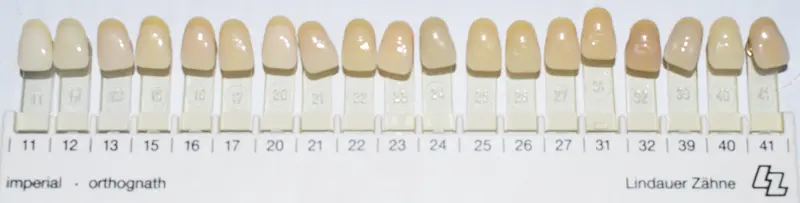
Composite bonding and veneers can both change the shape and appearance of front teeth. Bonding adds tooth-coloured composite directly onto the tooth in the surgery; veneers are thin facings, usually porcelain made in a laboratory, that are bonded to the front of the tooth.
The key trade-off is between preserving natural tooth and durability. Bonding usually needs little or no drilling and can be repaired, but it is more prone to chipping and staining. Veneers often need some enamel removed but can give a very natural, even result.
Side-by-side comparison
| Feature | Composite bonding | Veneers |
|---|---|---|
| Material | Tooth-coloured composite resin applied directly. | Usually porcelain (made in a laboratory) or composite. |
| Drilling | Little or none - composite sticks directly to the tooth. | Often a small amount of enamel removed; irreversible. |
| Visits | Built up directly on the tooth in the surgery; larger cases may be planned first with moulds and a wax-up. | Usually two, with a laboratory stage. |
| Durability | Can chip, stain or wear; Bristol Dental School reports an average of 5 to 6 years for build-ups on worn teeth. | Can last many years, but can chip, crack or come loose. |
| Repairs | Can usually be repaired or added to. | Small chips may be repairable; otherwise replaced. |
| Good for | Chips, cracks and localised wear, where enough tooth remains. | Discolouration that does not respond to whitening, chipped or worn teeth, small gaps, uneven shapes. |
| NHS availability | Repairs to damaged teeth may be NHS-funded when clinically necessary; purely cosmetic bonding is private. | Generally private unless there is a clinical need. |
So which is right for you?
If you want to keep as much natural tooth as possible, or are dealing with a chip, crack or localised wear, bonding is often the less invasive starting point - accepting that it will need maintenance.
If you want a longer-lasting change to the colour or shape of several front teeth and are happy with some enamel being removed, veneers may suit you better.
Neither fixes crooked teeth or bite problems, and both need healthy teeth and gums first. Ask a GDC-registered dentist to explain the options, risks and costs, and get a written treatment plan.
Sources we used
- Bristol Dental School: Composite build-ups for tooth wear
- Bristol Dental School: White (composite) fillings
- Oral Health Foundation: Cracked teeth
- Oral Health Foundation: Veneers
- NHS: Dental treatments
- NHS: Dental services available on the NHS
- British Orthodontic Society: Patient FAQs
Checked September 2026. Guidance changes, so always follow the advice of your own dental team. About our sources.