
About dental bonding
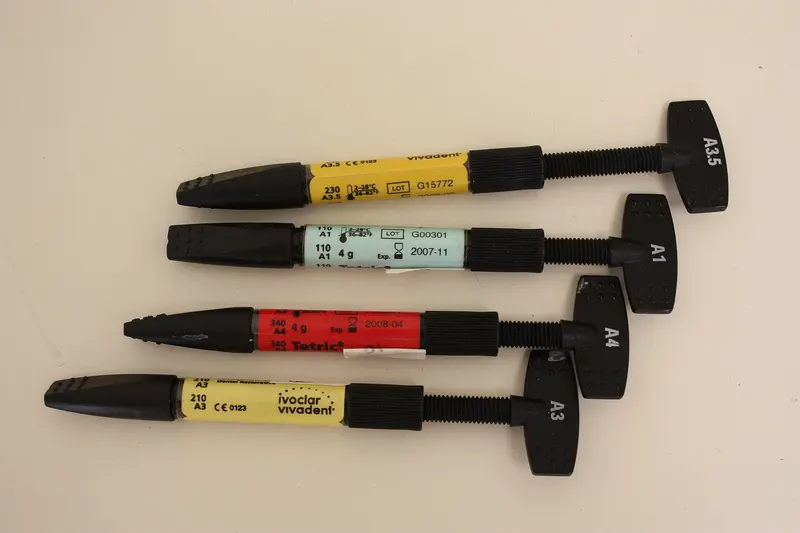
Dental bonding uses tooth-coloured composite - the same kind of material as white fillings - which is stuck directly onto the tooth, shaped and hardened with a light. Because it bonds to the tooth, it often needs little or no drilling of healthy tooth.
It is used to seal small cracks and restore the shape of chipped teeth, and Bristol Dental School uses composite build-ups (also called composite bonding) to restore teeth affected by localised wear. Only teeth with enough remaining tooth tissue can be built up this way.
Composite is less hard-wearing than porcelain and can chip, stain or wear, so bonding needs ongoing maintenance - but it can usually be repaired or added to rather than replaced. Bonding done purely to change how healthy teeth look is a private, cosmetic treatment.
How it works
- Your dentist checks the teeth and your bite; for larger build-ups, moulds and a wax-up plan may be made first
- You may be able to preview the planned shape using temporary material
- The tooth surface is prepared and a bonding layer applied, often with a rubber sheet to keep the tooth dry
- Composite is applied in layers, shaped and hardened with a blue light
- The result is polished and your bite checked
Time, lifespan and cost
- Time needed
- Depends on how many teeth are involved. For composite build-ups on worn teeth, Bristol Dental School plans the treatment first, then completes it in one long appointment or splits it over two.
- How long it lasts
- Bristol Dental School reports composite build-ups for worn teeth last on average 5 to 6 years, with maintenance needed for chips, fractures and discolouration.
- On the NHS?
- Sometimes on the NHS. Repairing a chipped, cracked or worn tooth with tooth-coloured filling material can be provided on the NHS when clinically necessary (fillings are Band 2, £76.60 from 1 April 2026). Bonding done only to improve the appearance of healthy teeth is cosmetic and usually private. NHS charges
Private cost
Private fees vary widely between practices and depend on the complexity of your case and the materials used, so we do not quote a typical price. Always ask for a written treatment plan with costs before you agree to treatment. (Source: NHS: Dental services available on the NHS)
Pros and cons
Pros
- Little or no drilling of healthy tooth
- Good aesthetic results are possible
- Can be repaired and added to if it chips
- If a piece breaks off, the underlying tooth is unlikely to be damaged
Cons
- Less durable than porcelain; can chip, stain or wear
- Needs maintenance and periodic repair
- Not suitable for teeth with severe wear or too little tooth left
- Your bite may feel different for a while after larger build-ups
- Purely cosmetic bonding is private
Aftercare
- Brush twice daily with fluoride toothpaste and clean between teeth
- Avoid biting very hard objects with bonded teeth
- Attend check-ups so the bonding can be polished, repaired or added to as needed
- After larger build-ups, attend the review appointment to check your bite has settled
Risks and side effects
- Chipping or fracture of the composite
- Staining or discolouration over time
- Temporary changes to the bite after larger build-ups - Bristol Dental School says the bite usually settles over months
- Sensitivity after treatment
Your dentist should explain the risks that apply to you before you agree to treatment.
Problems it can help with
A tooth that has broken badly - especially after an accident - needs prompt dental care. What to do right now and what treatment may follow.
A small piece has broken off a tooth. Usually not serious, but worth getting checked. What to do now and how dentists repair chips.
Pain when biting, or twinges with hot and cold, can mean a cracked tooth. Cracks cannot heal on their own, so early treatment matters.
Grinding or clenching - often at night - can wear teeth, crack fillings and cause jaw pain and headaches. Causes, self-help and night…
Teeth that look shorter, thinner, more yellow or sensitive may be wearing away. Find out the causes - acid, grinding, brushing - and fixes.
Compare it with the alternatives
Composite bonding vs veneers
Composite bonding and veneers compared: drilling, durability, repairs, number of visits and when each makes…
Common questions
Does bonding damage my teeth?
Composite bonds to the tooth, so healthy tooth usually does not need drilling away. If the bonding breaks, the bond usually fails at the join rather than damaging the tooth underneath.
Is bonding the same as veneers?
No. Bonding is built up directly on the tooth in the surgery; veneers are thin shells, often porcelain, that usually require some enamel to be removed. See our bonding vs veneers comparison.
How long does bonding last?
It varies with the size and position of the bonding and your habits. Bristol Dental School reports an average of 5 to 6 years for build-ups on worn teeth, with maintenance.
Sources we used
- Bristol Dental School: Composite build-ups for tooth wear
- Bristol Dental School: White (composite) fillings
- Oral Health Foundation: Cracked teeth
- Oral Health Foundation: White fillings
- NHS: Dental services available on the NHS
- NHS: How much NHS dental treatment costs
Checked September 2026. Guidance changes, so always follow the advice of your own dental team. About our sources.