
About veneers
A veneer is a thin covering fixed to the front surface of a tooth, a little like a false nail over a natural nail. Veneers are usually made of porcelain or tooth-coloured composite and are used to improve the appearance of front teeth.
They can help with discoloured teeth that do not respond to whitening, chipped or worn teeth, small gaps, and teeth that are uneven in shape or size or slightly crooked-looking. To fit many veneers, a small amount of enamel is removed from the front of the tooth so the veneer does not look bulky - the NHS notes that not all veneers need this - and removing enamel cannot be undone.
The British Orthodontic Society notes that using veneers to disguise irregular teeth gives rapid results but involves irreversible tooth reduction, will need replacing eventually, and has limits. The Oral Health Foundation describes veneers as a long-term treatment that needs healthy teeth and gums. If you are considering veneers abroad, read the General Dental Council's advice first.
How it works
- Consultation to check your teeth and gums are healthy and discuss options, benefits, risks and costs
- A small amount of enamel is often removed from the front of the tooth
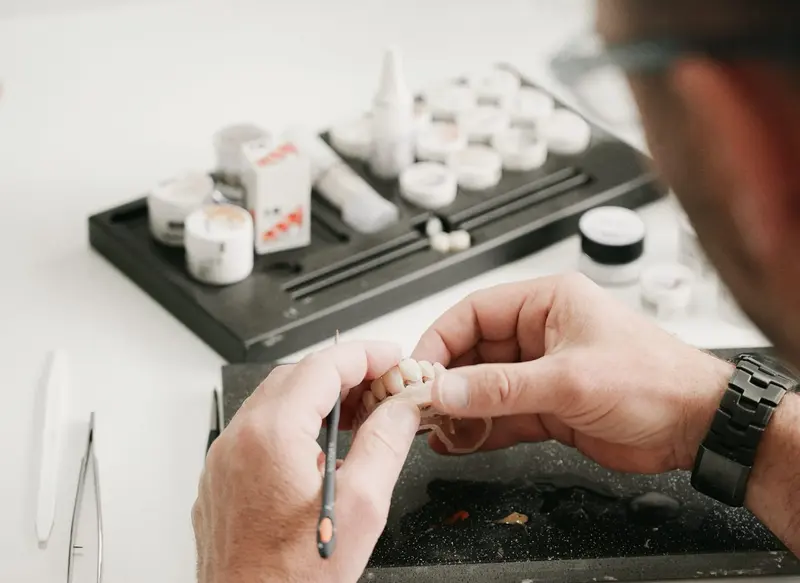
- An impression is taken and sent to a dental laboratory
- At a second visit, the veneer is checked for fit and colour, then bonded to the tooth
Time, lifespan and cost
- Time needed
- Usually more than one visit: preparation and impression first, fitting at a second appointment once the laboratory has made the veneer.
- How long it lasts
- Veneers can last many years if looked after, but they can chip, crack or come loose and will eventually need replacing.
- On the NHS?
- Sometimes on the NHS. The NHS says veneers are generally only available privately unless you can show a clinical need for them. NHS charges
Private cost
Veneers are usually a private treatment and costs vary between practices, so we do not quote a typical price. Your dental team should explain your options, benefits and risks and give you a clear estimate before starting. (Source: Oral Health Foundation: Veneers)
Pros and cons
Pros
- Can change colour, shape and size of front teeth
- Rapid result compared with orthodontics
- Designed to look natural and blend in with your other teeth
- Small chips can sometimes be repaired
Cons
- Usually irreversible when enamel is removed
- Can chip, crack or come loose and will need replacing eventually
- Does not correct the underlying position of teeth or the bite
- Usually private
- Needs healthy teeth and gums and good oral hygiene
Aftercare
- Brush twice a day with fluoride toothpaste and clean between your teeth
- Avoid biting very hard objects
- Attend regular check-ups
Risks and side effects
- Chipping, cracking or debonding
- Enamel removal cannot be reversed
- Problems with the teeth and gums if oral hygiene slips - good cleaning matters before and after veneers
Your dentist should explain the risks that apply to you before you agree to treatment.
Problems it can help with
A small piece has broken off a tooth. Usually not serious, but worth getting checked. What to do now and how dentists repair chips.
Pain when biting, or twinges with hot and cold, can mean a cracked tooth. Cracks cannot heal on their own, so early treatment matters.
Twisted, tilted or uneven teeth are very common. Here is why they happen, when they matter, and the realistic ways to straighten them.
Gaps between teeth can be harmless, a sign of missing teeth, or occasionally a sign of gum disease. How to tell and what can close them.
Teeth darken with age, tea, coffee, red wine and smoking. What professional cleaning, whitening and other options can - and can't - do.
Compare it with the alternatives
Composite bonding vs veneers
Composite bonding and veneers compared: drilling, durability, repairs, number of visits and when each makes…
Crowns vs veneers
Full-coverage crowns and front-surface veneers compared: what each fixes, how much tooth is removed…
Common questions
Are veneers available on the NHS?
Generally not - the NHS says veneers are only available on the NHS where there is a clinical need.
Veneers or braces for crooked teeth?
Braces move the teeth and keep your natural enamel; veneers disguise mild irregularities quickly but involve irreversible tooth reduction and eventual replacement. The British Orthodontic Society says specialist advice on all options is essential.
Should I get veneers abroad?
Read the General Dental Council's advice first. Ask who will treat you, their qualifications, what aftercare is provided and who pays if something goes wrong, and speak to your own dentist before you go.
Sources we used
- Oral Health Foundation: Veneers
- NHS: Dental treatments
- British Orthodontic Society: Patient FAQs
- General Dental Council: Going abroad for dental treatment
Checked September 2026. Guidance changes, so always follow the advice of your own dental team. About our sources.