
Aquafresh
Aquafresh Little Teeth toothpaste (3–5 years)
A children's toothpaste for ages 3 to 5. The NHS recommends a pea-sized amount at this age, with 1,000 to 1,500ppm fluoride –…
Features & who it suits
What the evidence says about electric and manual toothbrushes - plaque, gum health, technique, features and cost - and who benefits most from each.
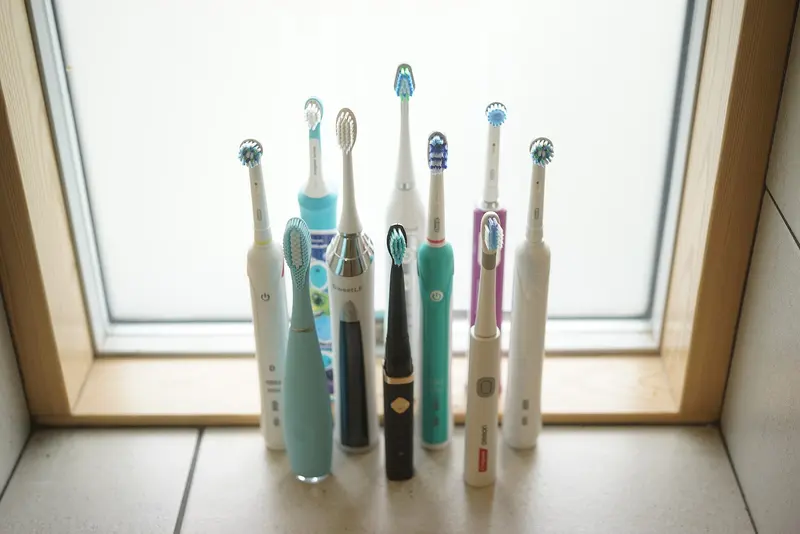
The NHS says it doesn't matter whether you use an electric or manual toothbrush: both are equally good as long as you clean every surface of every tooth with fluoride toothpaste for about two minutes, twice a day. Technique and consistency matter more than the brush.
That said, the research does show a modest edge for powered brushes. A Cochrane review of 56 trials found powered toothbrushes reduced plaque by 11% after one to three months and 21% after three months, and gum inflammation by 6% and 11%, compared with manual brushes; the long-term benefit for dental health is unclear. Rotation-oscillation brushes had the most consistent evidence.
| Feature | Electric toothbrush | Manual toothbrush |
|---|---|---|
| Plaque and gum health | Modestly better plaque and gum inflammation reduction in trials (Cochrane, moderate-quality evidence). | Cleans well with good technique; NHS says it is equally good if used properly. |
| Technique | Hold at about 45 degrees to the gumline and guide from tooth to tooth - let the brush do the work. | Needs careful, systematic brushing of all surfaces without scrubbing hard. |
| Helpful features | Many have 2-minute timers, 30-second prompts and pressure sensors to warn if you press too hard. | None built in - use a clock or phone timer. |
| Who may benefit most | People with limited hand movement, or who find thorough brushing difficult. | Anyone who brushes thoroughly and wants a simple, low-cost option. |
| Brush head | Small round oscillating-rotating heads or sonic heads; replace every 3 months. | Small head, soft or medium round-ended bristles; replace every 3 months or when splayed. |
| Running costs | Higher - handle plus replacement heads; needs charging. | Low. |
If you already brush thoroughly twice a day with fluoride toothpaste, a manual brush is perfectly adequate - the NHS says both types are equally good when used properly.
If you find it hard to brush well, have limited dexterity, tend to scrub too hard, or want extra help with timing, an electric brush with a timer and pressure sensor may make good cleaning easier. The best toothbrush is the one you will use properly every day.
Whichever you choose, remember to clean between your teeth daily and to spit, not rinse, after brushing.
Some links may be affiliate links.
A children's toothpaste for ages 3 to 5. The NHS recommends a pea-sized amount at this age, with 1,000 to 1,500ppm fluoride –…
A toothpaste for babies and toddlers with at least one tooth. The NHS says under-3s should use a smear of toothpaste with at…
Colgate's multi-purpose everyday toothpaste, positioned for plaque, gum health and cavity protection. A good fit for people who…
An everyday toothpaste aimed at people with bleeding gums. Bleeding gums can be a sign of gum disease, so it's worth mentioning…
Checked September 2026. Guidance changes, so always follow the advice of your own dental team. About our sources.