
Many of us grew up being told to see the dentist every six months. In fact, current NHS advice is that the gap between check-ups should depend on your own mouth: some people need to go more often, and many people with healthy teeth and gums can safely go less often.
This guide explains how that gap is decided, what happens at a routine check-up and what you can expect to pay. It is general information, so follow the advice of your own dental team about your next visit.
There is no single right interval
The NHS says your dentist should set the date of your next check-up based on the health of your teeth and gums and your risk of future problems. The gap can be anything from 3 months to 2 years.
People with good oral health will probably only need a check-up every 12 to 24 months, while people with more problems will need to be seen more often. For anyone under 18, the gap should be no longer than 1 year.
How your dentist decides
NICE, which produces guidance for the NHS, says the interval should be tailored to each patient after an assessment of their current dental disease and their risk. Things your dental team may talk through with you include how you clean your teeth, your diet, fluoride use, smoking and alcohol, how your mouth has responded to past treatment, and the cost to you of attending.
The dentist should discuss the recommended interval with you and note in your records whether you agree with it. It is reviewed at each visit, so it can get longer if your mouth stays healthy or shorter if problems keep developing.
- Children and teenagers: every 3, 6, 9 or 12 months. NICE explains that decay can progress faster in children, especially in baby teeth, and that children's teeth also need checking as they develop.
- Adults: every 3 months up to every 24 months. NICE says longer than 24 months is not advisable, partly because people's lifestyles and risks change.
What happens at a check-up
A routine check-up is mainly an examination and a conversation. According to the NHS, a dental professional will usually:
- Look at your teeth, gums, mouth, lips and neck for signs of decay, gum disease and mouth cancer.
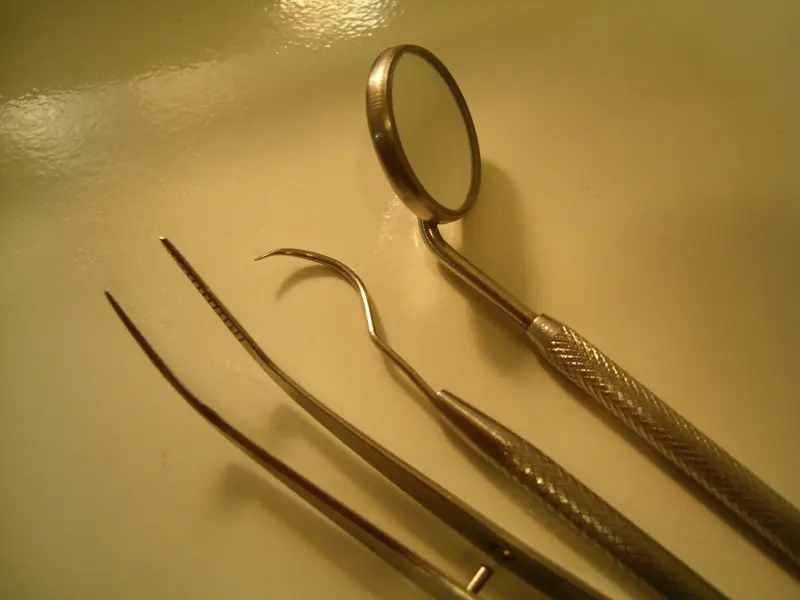
- Use a small mirror, a probe and a device that blows air, and take X-rays if they are needed.
- Ask about any symptoms or problems since your last visit, your general health and any medicines you take.
- Ask about how you clean your teeth, your diet, smoking and alcohol, and give advice where it would help.
- Explain any problems they find, talk you through the treatment options and agree a date for your next check-up.
Treatment and costs on the NHS
A check-up does not include fillings, extractions or other treatment; these are booked as separate appointments. Your dentist should explain what treatment you need and why, the risks and benefits, and the cost. For NHS treatment in Band 2 or Band 3 in England you should be given a written treatment plan to agree to and sign before treatment starts, and the dentist must make clear which parts are NHS and which, if any, are private.
In England, a check-up is a Band 1 course of treatment, currently £27.90. Band 1 covers an examination, assessment and advice, X-rays if clinically needed, fluoride applied to the teeth, and scaling (a thorough clean) if clinically needed. Some people get NHS dental treatment free, including under-18s, under-19s in full-time education, and people who are pregnant or have had a baby in the last 12 months.
In Scotland, NHS dental examinations are free for all residents. Charges and rules differ in Wales and Northern Ireland; our NHS vs private dentistry guide sets them out.
NHS: how much NHS dental treatment costs NHS: who can get free dental treatment
Hygienists and dental therapists
Some of your care may be provided by a dental hygienist or therapist rather than the dentist. The Oral Health Foundation explains that hygienists focus on preventing problems and caring for the gums: they can remove hard deposits, polish away surface stains, help treat gum disease and show you how to clean your teeth well at home. Dental therapists can do all of this and also carry out some treatments, such as simple fillings and taking out baby teeth.
Getting the most from your appointment
- Tell the team about any changes to your health or medicines since your last visit.
- Mention anything you have noticed, such as bleeding gums, sensitivity, a sore patch or a loose filling.
- If you feel anxious, say so. The NHS says you can ask the dental professional to stop or take a break at any time.
- Ask questions about any treatment that is suggested, including what happens if you choose not to have it and what it will cost.
- If you cannot make an appointment, let the practice know as soon as you can. Missing ongoing NHS treatment without telling the surgery may mean you have to start, and pay for, a new course of treatment.
Problems between check-ups
You don't need to wait for your next check-up if something is wrong. The NHS advises contacting your dental surgery to book an appointment, and calling the surgery's usual number out of hours, which should tell you how to get urgent care. NICE also suggests asking your dentist for advice before your next review if your risk factors change significantly – no check-up schedule can guarantee that new problems won't develop in between.
If you have severe pain, swelling or an injury, see our dental emergencies guide.
Common questions
Do I need a dental check-up every six months?
Not necessarily. The NHS says the gap should be set by your dentist according to your oral health and risk, anywhere from 3 months to 2 years. People with healthy teeth and gums may only need a check-up every 12 to 24 months.
Why does my child need check-ups more often than me?
NICE recommends a maximum of 12 months between check-ups for under-18s, because decay can progress faster in children and their teeth need checking as they develop.
Will I have X-rays at every check-up?
No. X-rays are taken when they are clinically needed, which your dentist will judge from your history and examination. When they are needed, they are included in the Band 1 charge in England.
Is a scale and polish included in an NHS check-up?
In England, scaling is included in the Band 1 charge if it is clinically needed. The NHS notes that treatment done for cosmetic reasons is usually private.
Can I disagree with the interval my dentist suggests?
NICE says the dentist should discuss the recommended interval with you and record whether you agree. Talk to them about your reasons; the interval is reviewed at each visit and can change over time.
Sources we used
- NHS: Dental check-ups
- NHS: What happens when you visit an NHS dentist
- NICE CG19: Dental checks - intervals between oral health reviews
- NHS: How much NHS dental treatment costs
- NHS: Who can get free NHS dental treatment
- NHS National Services Scotland: Do I pay for dental examinations?
- Oral Health Foundation: Visiting a dental hygienist or therapist
Checked November 2026. Guidance changes, so always follow the advice of your own dental team. About our sources.