
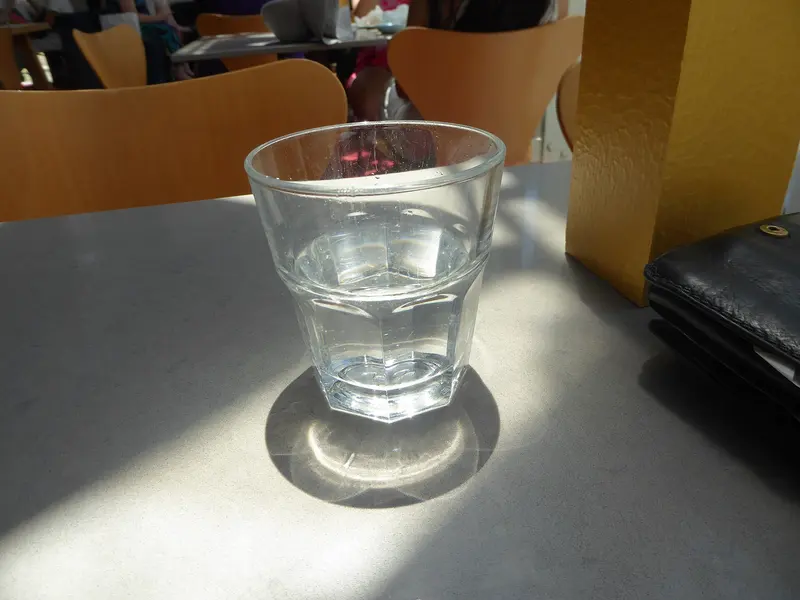
A dry mouth can make it hard to talk, eat or sleep comfortably. Saliva matters for your teeth too: the Oral Health Foundation explains that saliva helps neutralise the acids that attack teeth after eating, which is one reason dental teams take a dry mouth seriously.
This post summarises the NHS page on dry mouth. It is general information only. The reassuring headline from the NHS is that "A dry mouth is rarely a sign of anything serious."
Common causes
The NHS lists these common causes:
- dehydration (not drinking enough)
- some medicines
- breathing through your mouth at night, for example with a blocked nose
- anxiety
- cancer treatment such as radiotherapy or chemotherapy
- oral thrush
Longer-lasting dry mouth
The NHS notes that conditions such as diabetes or Sjögren's syndrome can cause a dry mouth that does not go away. That is one reason to see a GP if it lasts, rather than living with it.
If you think a medicine is the cause, the NHS is clear: "Do not stop taking a prescribed medicine without getting medical advice first." A GP or pharmacist can review it with you.
Things you can try
The NHS suggests you:
- sip cold water often
- suck ice cubes or sugar-free sweets
- use lip balm if your lips are dry
- brush your teeth twice a day and use an alcohol-free mouthwash
Things to cut down on
The NHS suggests avoiding or cutting down on:
- alcohol, caffeine and fizzy drinks
- acidic, spicy, salty or sugary food
- smoking
- sleeping with dentures in
Read more: Diet and your teeth · Dentures
How a pharmacist can help
Pharmacies sell gels, sprays, tablets and lozenges that help keep the mouth moist. The NHS points out that not all of them suit everyone, so it is worth asking a pharmacist which to try. If a blocked nose is making you breathe through your mouth at night, a pharmacist may also suggest a decongestant.
The NHS also advises against acidic artificial saliva products if you still have your own teeth. Again, the pharmacist can help you choose.
When to see a GP
The NHS advises seeing a GP if:
- a dry mouth is making it difficult to talk or eat
- your mouth is still dry after trying home or pharmacy treatments for a few weeks
- your sense of taste has changed and does not come back
- your mouth is painful, red, swollen or bleeding
- you have sore white patches in your mouth
- you think a medicine is causing it
- you have other symptoms, such as needing to pee a lot or dry eyes
Protecting your teeth
Whatever the cause, good daily care matters more when your mouth is dry. The NHS advice on keeping teeth clean is to brush twice a day for about 2 minutes with a fluoride toothpaste, spit out without rinsing, and clean between your teeth. Keep up regular check-ups, and tell your dentist about a dry mouth and any medicines you take.
Decay often starts silently and ends in holes, pain or infection. How it develops, the early warning signs and the treatments at each stage.
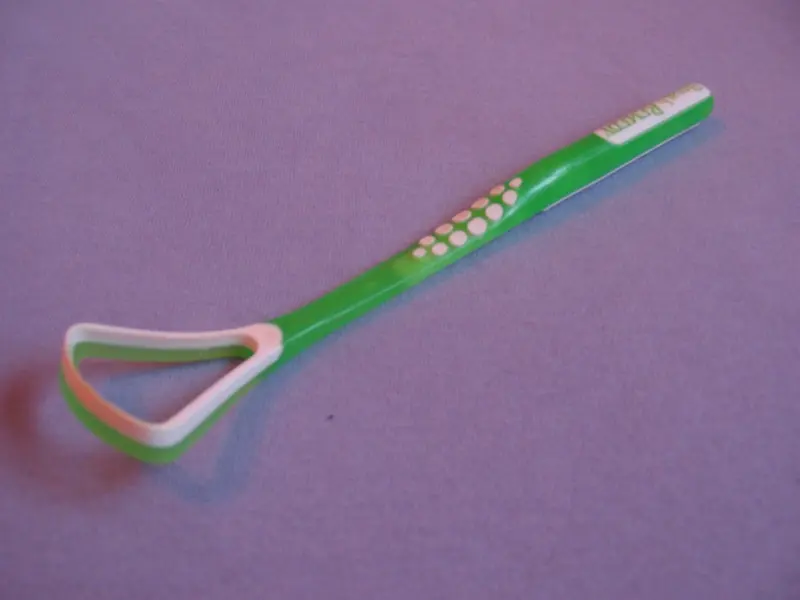
Bad breath (halitosis) is very common and usually fixable at home. The main causes, what actually helps, and when to see a dentist or GP.
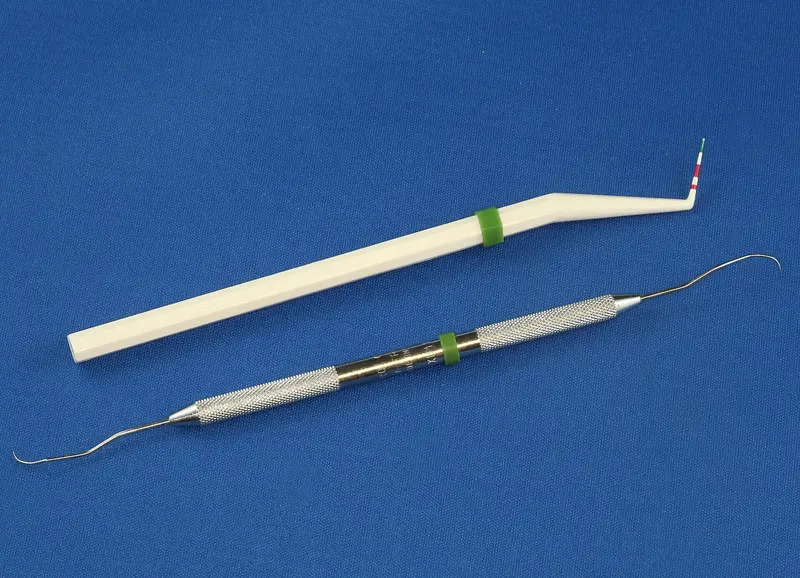
Bleeding, swollen gums are the classic early sign. Gum disease is common and preventable - here is how it progresses and how it is treated.
Read more: Dental check-ups: how often and what happens · Flossing and interdental cleaning
Common questions
Is a dry mouth a sign of something serious?
Rarely, according to the NHS. Most dry mouths are caused by things like not drinking enough, medicines, breathing through your mouth at night or anxiety. See a GP if it lasts for a few weeks despite home and pharmacy treatments, or if you have other symptoms such as needing to pee a lot or dry eyes.
Which mouthwash should I use if my mouth is dry?
The NHS suggests an alcohol-free mouthwash. Use it at a different time from brushing, such as after lunch, because the NHS advises against using mouthwash straight after brushing your teeth.
Can I keep my dentures in at night?
The NHS advice for a dry mouth is to avoid sleeping with dentures in. Your dentist can tell you how to look after your dentures overnight.
Sources we used
Checked 22 November 2026. Guidance changes, so always follow the advice of your own dental team. About our sources.