
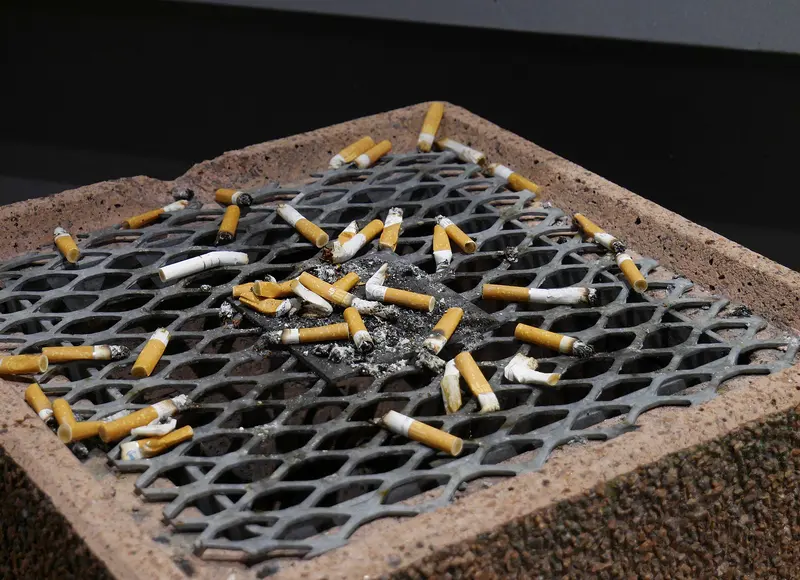
January is when many people decide to stop smoking. Most of the reasons are about the heart and lungs, but your mouth is where tobacco smoke arrives first, and it turns up again and again in NHS advice about teeth and gums.
This post brings together what the NHS says, as checked on 22 November 2026. It is general information, not personal advice. For help to stop, the NHS services below are free, and a pharmacist or GP can talk you through your options.
Where smoking shows up in NHS advice
- Bad breath: smoking is on the NHS list of causes, and avoiding it is part of the NHS self-help advice.
- Gum disease: the NHS includes "do not smoke" in its advice on preventing gum disease, and says a dentist may advise you to stop if you smoke.
- Dry mouth: smoking is one of the things the NHS suggests cutting out if your mouth is dry.
- Mouth cancer: the NHS lists smoking or chewing tobacco, betel nut or paan among the risk factors, together with drinking a lot of alcohol.
Read more: Bad breath · Gum disease · Stained teeth
Lowering the risk of mouth cancer
The NHS is careful to say that "You cannot always prevent mouth cancer", but it lists ways to lower the risk:
- stop smoking, and stop chewing tobacco, betel nut or paan
- cut down on alcohol, keeping to no more than 14 units a week
- eat a healthy diet based mainly on fruit, vegetables and wholegrains
- exercise regularly
What to expect in the first weeks
The NHS Better Health quit smoking pages describe what happens after your last cigarette. Within 48 hours, they say, carbon monoxide levels in your blood are the same as a non-smoker's and your senses of taste and smell start to improve. Breathing may feel easier after about 3 days.
There can be small surprises in the mouth too. The NHS lists stopping smoking among the possible triggers for mouth ulcers. Most ulcers heal on their own within a week or two; see our post on mouth ulcers for when to get one checked.
Read more: Mouth ulcers: when to get one checked
Free help to stop
The NHS says "It's easier to stop smoking with the right support." In England, NHS Better Health offers a free NHS Quit Smoking app, which tracks your progress and savings, and a free Personal Quit Plan. It also notes that once you reach 28 days smoke free, you are much more likely to stop for good.
Local stop smoking services can help too, and your GP or pharmacist can tell you what is available where you live and which stop smoking aids might suit you.
Tell your dental team
It helps your dentist and hygienist to know that you smoke or have recently stopped. They can check your gums and mouth, and talk to you about stopping. If staining bothers you, polishing at a scale and polish removes surface stains; ask what is realistic for your teeth.
Between visits, keep to the basics: brush twice a day with fluoride toothpaste, clean between your teeth, and get any ulcer, patch or lump that does not heal in 3 weeks looked at.
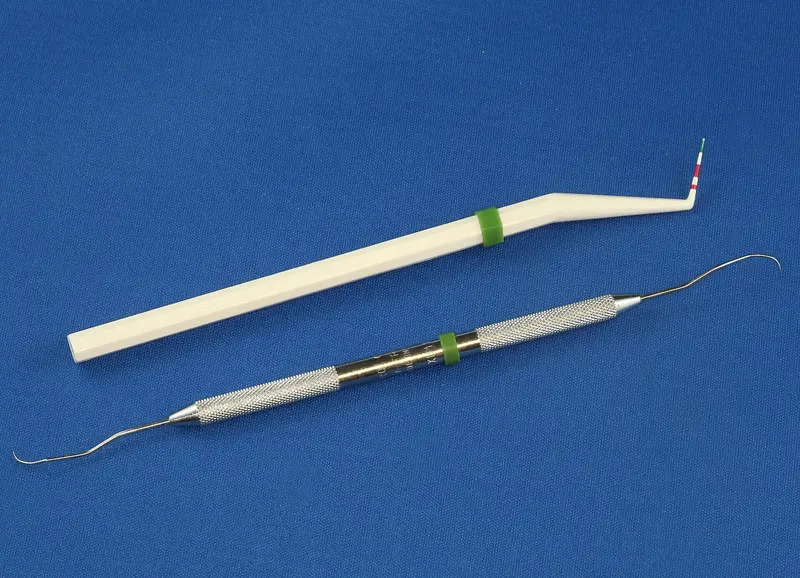
Bleeding, swollen gums are the classic early sign. Gum disease is common and preventable - here is how it progresses and how it is treated.
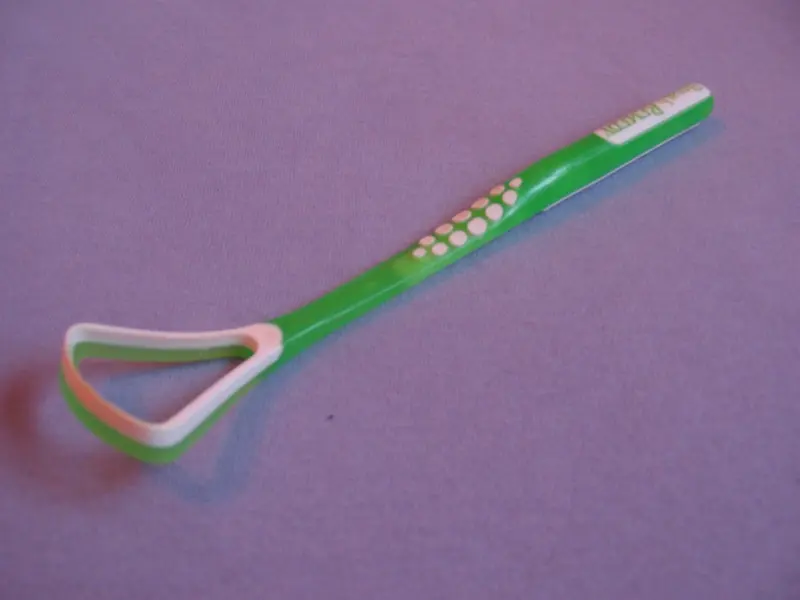
Bad breath (halitosis) is very common and usually fixable at home. The main causes, what actually helps, and when to see a dentist or GP.

Teeth darken with age, tea, coffee, red wine and smoking. What professional cleaning, whitening and other options can - and can't - do.
Read more: Scale and polish · Dental check-ups
Common questions
Why have I got mouth ulcers since I stopped smoking?
The NHS lists stopping smoking among the possible triggers for mouth ulcers. Most heal on their own within a week or two. See a dentist or GP if one lasts longer than 3 weeks, keeps coming back worse, bleeds or becomes more painful and red.
Does drinking alcohol matter as well as smoking?
Yes. The NHS lists drinking a lot of alcohol among the risk factors for mouth cancer, and advises not drinking more than 14 units a week.
How quickly will my sense of taste improve?
The NHS Better Health pages say taste and smell start to improve within about 48 hours of stopping.
Sources we used
- NHS: Bad breath
- NHS: Gum disease
- NHS: Dry mouth
- NHS: Causes of mouth cancer
- NHS: Mouth ulcers
- NHS Better Health: Quit smoking
Checked 22 November 2026. Guidance changes, so always follow the advice of your own dental team. About our sources.