
Cold sores are small blisters that appear on the face, often around the mouth. Being ill is one of the things that can set them off. They're common, they usually clear up on their own, and a pharmacist can help with treatment.
This post sums up the NHS page on cold sores. It's general information, not a diagnosis. If you're not sure what a sore is, or it isn't getting better, see a pharmacist or GP.
What cold sores are
The NHS describes cold sores as small, fluid-filled blisters on the face, caused by the herpes simplex virus. Once you've caught the virus, it stays in your skin for the rest of your life, which is why cold sores can keep coming back.
They usually heal within 10 days. The NHS says they are contagious from when you first feel tingling until they have completely healed, and can spread to other people and to other parts of your body.
What can trigger them
The NHS names illness, sunshine and having your period among the things that can set off a cold sore. Its advice includes avoiding triggers such as sunbeds, using a lip balm with SPF 15 or above when you're outdoors, and drinking plenty of fluids.
How a pharmacist can help
The NHS says a pharmacist can recommend creams to ease pain, antiviral creams and cold sore patches. Antiviral creams work best when used as soon as you feel the first tingle; they may not work once the blister has appeared.
Paracetamol or ibuprofen can ease the pain. Don't give aspirin to children under 16.
Light and laser devices
You may see devices sold to treat cold sores with light or lasers. The NHS says these may help, but that there's limited evidence that they work.
Stopping them spreading
While you have a cold sore, the NHS advises:
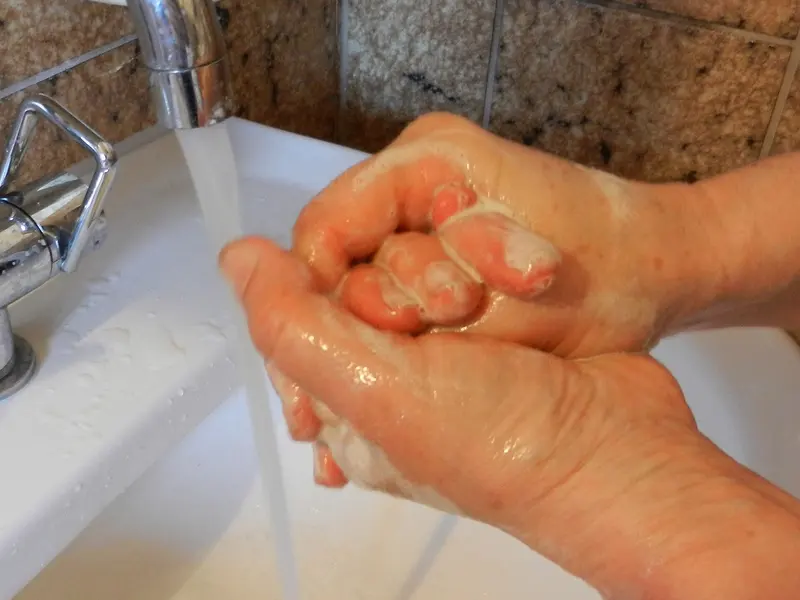
- Don't touch it , except to apply antiviral cream, and wash your hands if you do.
- Dab cream on rather than rubbing it in.
- Don't kiss anyone until it has healed, and don't kiss babies: the NHS warns this can cause a dangerous infection called neonatal herpes.
- Avoid acidic or salty food if it makes the sore worse.
When to see a GP
The NHS says to see a GP if:
- a cold sore hasn't started to heal within 10 days
- the sore is very large or painful
- you or your child have swollen, painful gums and sores in the mouth
- you have a weakened immune system, for example because of chemotherapy or diabetes
- you're worried about it, or think it may be something else
Extra care for some people
The NHS notes that newborn babies, pregnant women and people with a weakened immune system may be referred to hospital for a cold sore. If that applies to you or someone you look after, ask a GP for advice, or call NHS 111.
Read more: Pregnancy and your teeth
Other sores in the mouth
Cold sores are different from mouth ulcers, which appear inside the mouth. Our post on mouth ulcers explains what helps and when an ulcer needs checking.
Read more: Mouth ulcers and when to get them checked
Common questions
How long does a cold sore last?
The NHS says cold sores usually heal within 10 days. See a GP if one hasn't started to heal by then, or if it's very large or painful.
When are cold sores contagious?
From the first tingling until the sore has completely healed, according to the NHS. Avoid kissing, especially babies, and don't touch the sore except to apply cream.
Can I get treatment without seeing a GP?
Usually, yes. The NHS says a pharmacist can recommend pain-relieving creams, antiviral creams and cold sore patches. See a GP if the sore hasn't started to heal within 10 days, is very large or painful, or if you have a weakened immune system.
Do cold sore creams work?
The NHS says antiviral creams work best if you use them as soon as you feel the first tingle, and may not work once the blister has appeared. A pharmacist can advise on creams and patches.
Sources we used
Checked 23 November 2026. Guidance changes, so always follow the advice of your own dental team. About our sources.