
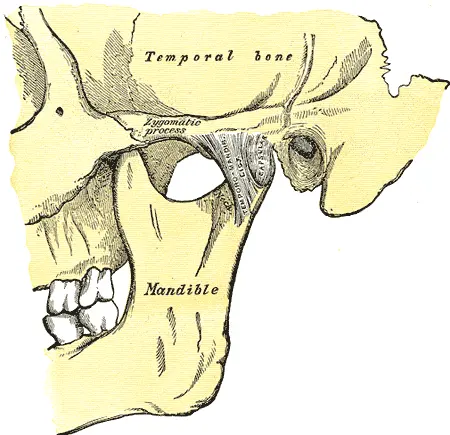
An aching jaw, a click when you open your mouth, or a dull pain around your ear and temple can all come from the joint that hinges your lower jaw to your skull. When that joint and the muscles around it cause pain, the NHS calls it temporomandibular disorder, or TMD.
This post sums up the NHS page on TMD and the Oral Health Foundation's guidance on jaw problems. It is general information, not a diagnosis. The NHS says TMD is not usually serious and generally gets better on its own, but some symptoms need checking quickly, so read the section on urgent help.
What TMD feels like
The NHS lists these as the main symptoms of TMD:
- pain around your jaw, ear and temple
- clicking, popping or grinding noises when you move your jaw
- a headache around your temples
- difficulty opening your mouth fully
- your jaw locking when you open your mouth
Read more: Teeth grinding: signs, causes and options
Common causes
According to the NHS, TMD can be caused by teeth grinding, wear and tear of the joint, a blow to the head or face, stress, or an uneven bite.
The Oral Health Foundation explains that problems with the jaw joint can develop when the teeth don't meet properly, or when someone clenches or grinds their teeth. Grinding and clenching can also overwork the muscles of the face and jaw, which can lead to spasms and pain.
Things you can try yourself
The NHS suggests some simple self-care. These are general tips; your dentist or GP may advise something different for you.
- Eat soft foods , such as pasta, omelettes and soup.
- Ease the pain with paracetamol or ibuprofen, following the instructions on the pack.
- Try heat or cold. An ice pack or heat pack wrapped in a tea towel, whichever feels better.
- Massage the painful jaw muscles.
- Try relaxation if stress is part of the picture.
Things to avoid
The NHS also lists some habits that can make TMD worse:
- chewing gum or pen tops
- biting food with your front teeth
- yawning very widely
- biting your nails
- clenching your teeth: apart from when you're eating, your teeth should be apart
When to get urgent help
The NHS page lists signs that mean you should ask for an urgent GP appointment or get help from NHS 111. They include being unable to eat or drink, frequent severe headaches, pain or tenderness at the side of your head or on your scalp, and problems with your vision, such as double vision or loss of vision in one or both eyes. Check the full list on the NHS page, and in an emergency call 999.
How a GP or dentist can help
The NHS says a GP may suggest stronger painkillers, relaxation techniques or ways to improve your sleep. They may refer you to a dentist if teeth grinding might be an issue, a psychologist if stress and anxiety are making the pain worse, or a physiotherapist for jaw exercises and massage. If these don't help, you may be referred to a specialist in joint problems.
The Oral Health Foundation says a dentist may suggest a splint or night guard to wear at night to protect the teeth and reduce grinding. Depending on the cause, a dentist may also look at how your teeth meet, for example by adjusting or rebuilding teeth, or replacing missing teeth to balance the bite.
Read more: Night guards · How to find an NHS dentist
Common questions
Will jaw clicking go away on its own?
Often it does. The NHS says TMD usually gets better without treatment. If it's painful, keeps coming back, or comes with any of the urgent signs listed on the NHS page, get it checked by a GP, a dentist or NHS 111.
Should I see a dentist or a GP for jaw pain?
Either can help. The NHS describes a GP referring people to a dentist if teeth grinding might be involved, and the Oral Health Foundation says to see a dentist if you have symptoms. For the urgent signs on the NHS page, ask for an urgent GP appointment or contact NHS 111.
Can a night guard help?
If grinding or clenching is part of the cause, the Oral Health Foundation says a dentist may suggest a splint or night guard to wear at night. It should be made or fitted on a dentist's advice.
Sources we used
Checked 23 November 2026. Guidance changes, so always follow the advice of your own dental team. About our sources.