
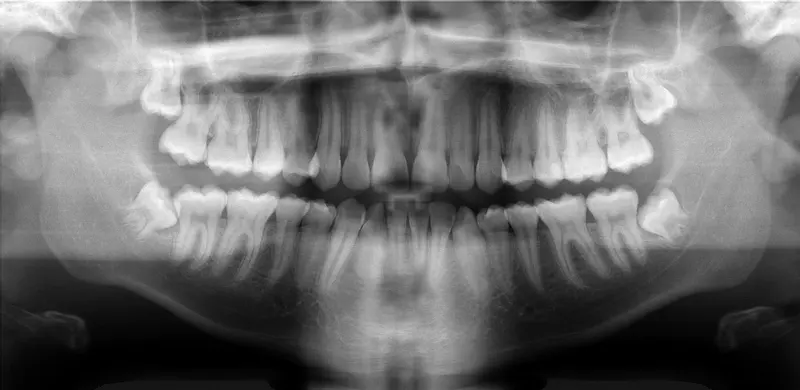
About wisdom tooth removal
Wisdom tooth removal is usually only recommended when a wisdom tooth is causing problems - for example repeated infections of the gum around it (pericoronitis), decay, gum disease, a cyst, an abscess, or food trapping that damages the tooth in front. Healthy wisdom teeth that are fully through and easy to clean are usually left alone.
Many wisdom teeth can be removed by a general dentist under local anaesthetic. If the tooth is difficult to remove, or its roots are close to a nerve, you may be referred to a specialist at a hospital, clinic or another practice. Sedation or a general anaesthetic may be offered for difficult extractions or if you are very anxious.
The NHS says the procedure often takes just a few minutes and should take no more than 40 minutes. Pain and swelling are normal for up to two weeks, usually improving after a day or two.
How it works
- X-rays are taken to check the position of the tooth
- The area is numbed with local anaesthetic (sedation or general anaesthetic are sometimes used)
- The gum is cut if it covers the tooth, and the socket is widened
- The tooth is removed whole or in 2 or 3 pieces
- Dissolvable stitches are placed if needed
Time, lifespan and cost
- Time needed
- Often a few minutes and no more than about 40 minutes. You usually go home the same day. Most people return to normal activities the next day; after a difficult removal or general anaesthetic you may need 1 to 3 days off.
- How long it lasts
- Permanent.
- On the NHS?
- Available on the NHS. Wisdom tooth removal by an NHS dentist in England is a Band 2 treatment (£76.60 from 1 April 2026) unless you are exempt. If you are referred to a hospital for NHS treatment, there is no charge. NHS charges
Private cost
Private fees vary widely between practices and depend on the complexity of your case and the materials used, so we do not quote a typical price. Always ask for a written treatment plan with costs before you agree to treatment. (Source: NHS: Wisdom tooth removal)
Pros and cons
Pros
- Stops repeated pain and infections from a problem wisdom tooth
- Usually a short procedure under local anaesthetic
- Available on the NHS when clinically necessary
Cons
- Pain, swelling, bruising and jaw stiffness for up to 2 weeks
- Possible time off work after difficult extractions or a general anaesthetic
- Risk of dry socket, infection and, rarely, nerve damage
Aftercare
- Take paracetamol or ibuprofen for pain
- Eat soft or liquid food until chewing is comfortable
- Keep the area clean by rinsing gently with mouthwash or warm salt water, as advised
- Brush your other teeth carefully, avoiding the wound
- If it bleeds, press on the area for at least 10 minutes with a clean cloth
- Do not smoke, drink alcohol or very hot drinks, or eat hard, crunchy or seedy food
- Do not drive for 48 hours after a general anaesthetic or 24 hours after a sedative injection
Risks and side effects
- Dry socket - the clot does not form properly or is dislodged
- Infection needing antibiotics
- Damage to nearby nerves causing numbness or tingling of the tongue, lip or chin - usually temporary but can last weeks or months
- Ask for an urgent dentist appointment or contact NHS 111 if bleeding will not stop, pain and swelling are severe or worsening, or you have a bad taste with a high temperature or feel unwell
Your dentist should explain the risks that apply to you before you agree to treatment.
Problems it can help with
Toothache has many causes, from decay to a cracked tooth. How to ease the pain now, when to see a dentist and when it's an emergency.
Wisdom teeth that are stuck or only part-way through can cause pain, swelling and infections. When they need removing - and when they don't.
Common questions
Do all wisdom teeth need removing?
No. If a wisdom tooth is not causing problems, it is usually left where it is and monitored at check-ups.
Will I be asleep?
Usually not - most are removed under local anaesthetic. Sedation or a general anaesthetic may be used for difficult teeth or if you are anxious.
How much time off will I need?
You can usually return to normal activities the next day. After a difficult extraction or general anaesthetic you might need 1 to 3 days off work.
Useful at home
Products that can help with day-to-day care alongside this treatment. Ask your dental team what suits you. Some links may be affiliate links.
Corsodyl Intensive Treatment Mouthwash Mint (chlorhexidine 0.2%)
A medicated mouthwash containing chlorhexidine for short-term treatment of gum problems and mouth ulcers – not an everyday…
Sources we used
- NHS: Wisdom tooth removal
- Oral Health Foundation: Wisdom teeth
- NHS: Dental treatments
- NHS: How much NHS dental treatment costs
- NHS dental charges from 1 April 2026 (poster, PDF)
- Oral Health Foundation: What to do following an extraction
Checked September 2026. Guidance changes, so always follow the advice of your own dental team. About our sources.