
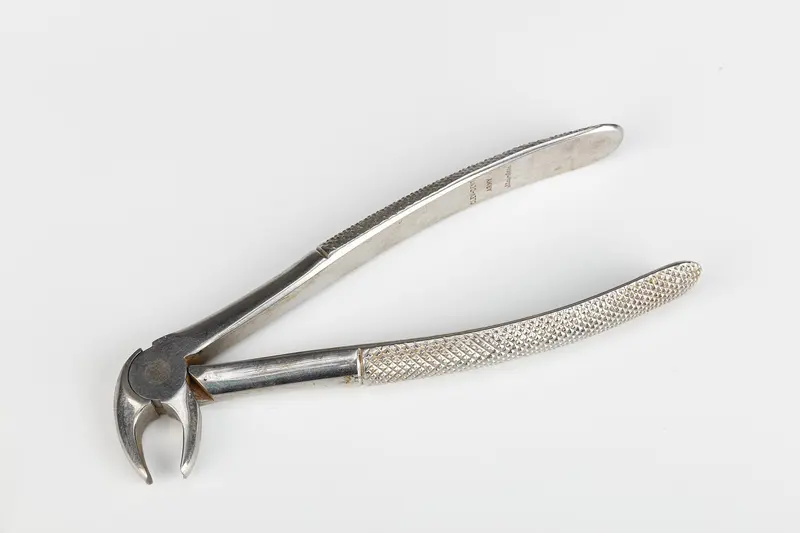
About tooth extraction
An extraction means removing a tooth, or the root left behind. It is usually done by a dentist under local anaesthetic, so the area is numb. More difficult extractions, such as impacted wisdom teeth, may be referred to a specialist or hospital.
A tooth may need to come out if it is badly decayed or broken and cannot be repaired, loosened by gum disease, severely infected, or to make space for orthodontic treatment. Your dentist should explain the alternatives - such as root canal treatment - before you decide.
Most people feel more comfortable within a few days. The first 24 hours matter most, because a blood clot needs to form in the socket; if it is lost too early, a painful 'dry socket' can develop.
How it works
- The tooth and surrounding gum are numbed with local anaesthetic
- The tooth is removed
- You bite on gauze to help a clot form, and stitches may be placed
- You are given aftercare advice before you go home
Time, lifespan and cost
- Time needed
- Usually a single appointment. Normal daily activities can usually be resumed within 24 to 48 hours if you feel well.
- How long it lasts
- Permanent. If you want to fill the gap, bridges, dentures and implants are the main options.
- On the NHS?
- Available on the NHS. Extractions are a Band 2 NHS treatment in England (£76.60 from 1 April 2026) unless you are exempt. Up to 2 teeth can be removed as part of an urgent (Band 1) appointment. Stopping bleeding after an extraction is free. NHS charges
Private cost
From £170 to from £190 for a routine extraction
Extraction from £170 (mydentist myoptions, England/Wales) and from £190 (Bupa Dental Care Brigg); surgical extraction of an impacted or retained tooth from £500 (Bupa Dental Care London Bank).
Published starting prices from individual practice price lists, checked September 2026. These are not averages and your quote could be higher. Sources: mydentist: myoptions private dental care price list, Bupa Dental Care Brigg: Treatment prices, Bupa Dental Care London Bank: Treatment prices.
Private fees vary widely between practices and depend on the complexity of your case and the materials used, so we do not quote a typical price. Always ask for a written treatment plan with costs before you agree to treatment. (Source: NHS: How much NHS dental treatment costs)
Pros and cons
Pros
- Removes a source of pain or infection when a tooth cannot be saved
- Usually quick, under local anaesthetic
- Available on the NHS
Cons
- Leaves a gap that you may want to replace later
- Soreness for a few days
- Risk of dry socket and bleeding
- Neighbouring teeth may drift into the space over time
Aftercare
- Rest for the first 24 hours and avoid heavy exercise
- Avoid smoking and alcohol, which can delay healing
- Avoid hot food and drink while numb so you do not burn or bite yourself
- Do not disturb the clot - follow your dentist's advice about when to start gentle warm salt-water rinses
- Keep your head raised with extra pillows to reduce bleeding
- Avoid aspirin, which can increase bleeding; check with a pharmacist before taking ibuprofen if you have asthma, stomach problems or inflammatory bowel disease
Risks and side effects
- Bleeding - bite firmly on clean gauze for 20 minutes; contact your dentist if heavy bleeding will not stop
- Dry socket - increasing pain a few days later, sometimes spreading to the ear, with a bad taste or smell
- Infection
- Seek urgent help for worsening swelling, difficulty swallowing or breathing, or a high temperature
Your dentist should explain the risks that apply to you before you agree to treatment.
Problems it can help with
A tooth that has broken badly - especially after an accident - needs prompt dental care. What to do right now and what treatment may follow.
Pain when biting, or twinges with hot and cold, can mean a cracked tooth. Cracks cannot heal on their own, so early treatment matters.
When there is not enough space for every tooth, teeth overlap and twist. Learn how crowding is assessed and the options for making room.
A build-up of pus from an infection in a tooth or gum. It will not go away on its own and needs urgent dental treatment.
A filling has fallen out, cracked or feels loose. How to protect the tooth until you are seen and what a dentist might do next.
Bleeding, swollen gums are the classic early sign. Gum disease is common and preventable - here is how it progresses and how it is treated.
Decay often starts silently and ends in holes, pain or infection. How it develops, the early warning signs and the treatments at each stage.
Toothache has many causes, from decay to a cracked tooth. How to ease the pain now, when to see a dentist and when it's an emergency.
Common questions
What is dry socket?
It is when the blood clot in the socket does not form properly or is lost too early, exposing the bone. It causes increasing pain a few days after the extraction but can be treated by your dentist with cleaning and a soothing dressing.
When can I get back to normal?
Most people can resume normal daily activities within 24 to 48 hours, provided they feel well.
Should I replace the tooth?
It is your choice. Ask your dentist whether a gap in that position is likely to affect your bite or neighbouring teeth.
Useful at home
Products that can help with day-to-day care alongside this treatment. Ask your dental team what suits you. Some links may be affiliate links.
Corsodyl Intensive Treatment Mouthwash Mint (chlorhexidine 0.2%)
A medicated mouthwash containing chlorhexidine for short-term treatment of gum problems and mouth ulcers – not an everyday…
Sources we used
- Oral Health Foundation: What to do following an extraction
- NHS: How much NHS dental treatment costs
- NHS dental charges from 1 April 2026 (poster, PDF)
- NHS: Dental treatments
- NHS: Emergency or urgent dental appointments
- mydentist: myoptions private dental care price list
- Bupa Dental Care Brigg: Treatment prices
- Bupa Dental Care London Bank: Treatment prices
Checked September 2026. Guidance changes, so always follow the advice of your own dental team. About our sources.