
Teething can be an unsettled time for babies and parents alike. Some babies cut their teeth with barely a fuss; others are sore and grumpy for days. Knowing what's normal, and what isn't caused by teething, helps.
This post sums up the NHS pages on teething symptoms and on helping a teething baby. It's general information. If you're worried about your baby, the NHS says to get medical advice: call NHS 111 or contact a GP.
When teeth come through
The NHS says most babies start teething at around 6 months, but some start before they're 4 months old and some after 12 months. It gives this usual order:
- Central incisors (front teeth): usually the first, at around 6 months
- Lateral incisors (either side of the front teeth): around 8 months
- First molars (back teeth): around 12 months
- Canines (the pointed teeth between the lateral incisors and first molars): around 18 months
- Second molars : around 24 months
Common signs
The NHS lists signs you may notice, including:
- sore, red gums where the tooth is coming through
- a slightly raised temperature, but less than 38C
- one flushed cheek, or a rash on the face
- rubbing their ear
- dribbling more than usual
- gnawing and chewing on things a lot
- being more fretful than usual, or not sleeping well
What teething doesn't cause
Some people think teething causes symptoms such as diarrhoea, but the NHS says there's no evidence to support this. Don't put every symptom down to teething. The NHS advice is to get medical advice if your baby has any symptoms that are causing you concern, from NHS 111 or a GP.
What the NHS says can help
The NHS suggests:
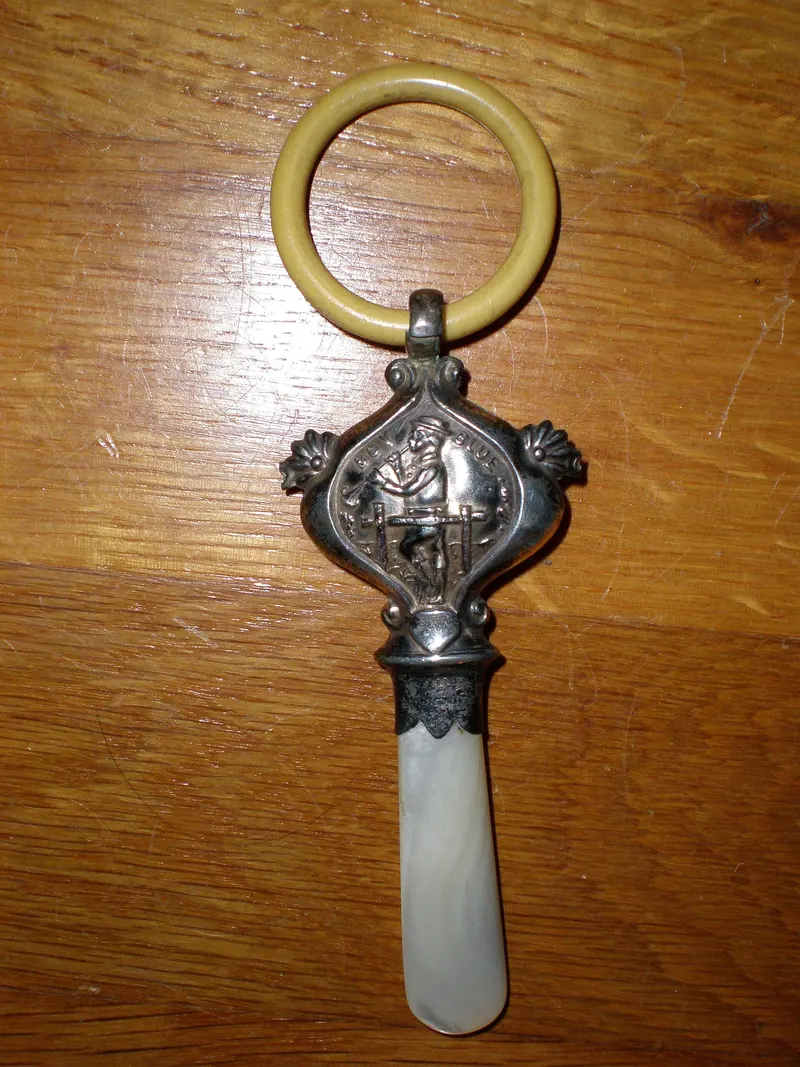
- Teething rings. Some can be cooled in the fridge first; follow the instructions. Never put one in the freezer, as it could damage the gums.
- Something to chew. From 6 months, when your baby has started solid food, raw fruit and vegetables can help; soft fruit like melon can soothe gums. Always stay with your baby while they eat, and avoid rusks and sugary foods.
- Rubbing their gums gently with a clean finger.
- Sugar-free painkillers. Paracetamol can be given from 2 months and ibuprofen from 3 months, following the instructions on the pack. Ask a pharmacist or GP if you're not sure.
- Comfort. Comforting or playing with your baby can distract them from sore gums.
- Wiping dribble gently from their face, which may help prevent a rash.
Gels and homeopathic products
The NHS says there's a lack of evidence that teething gels work, and suggests trying a teething ring or sugar-free painkillers first. If you do use a gel, use one made for young children and ask a pharmacist for advice.
The NHS also says homeopathic products are not recommended for teething. If you use one, it should be licensed for use in the UK.
Looking after the new teeth
Once the first tooth appears, it's time to start brushing. Our children's teeth guide covers toothpaste amounts by age, first dental visits and keeping sugar down.
Read more: Children's teeth: a guide for parents · Pregnancy and your teeth
Common questions
When do babies start teething?
The NHS says most babies start at around 6 months, but some start before 4 months and some after 12 months. The front teeth usually come through first.
Can teething cause a high temperature or diarrhoea?
The NHS lists a slightly raised temperature under 38C as a possible sign of teething, and says there's no evidence that teething causes diarrhoea. If your baby has symptoms that worry you, call NHS 111 or contact a GP.
Do teething gels work?
The NHS says there's a lack of evidence that teething gels are effective, and suggests trying a teething ring or sugar-free painkillers first. If you want to try a gel, choose one made for young children and ask a pharmacist.
Can I put a teething ring in the freezer?
No. The NHS says some teething rings can be cooled in the fridge, following the instructions, but never frozen, because that could damage your baby's gums.
Sources we used
Checked 23 November 2026. Guidance changes, so always follow the advice of your own dental team. About our sources.