
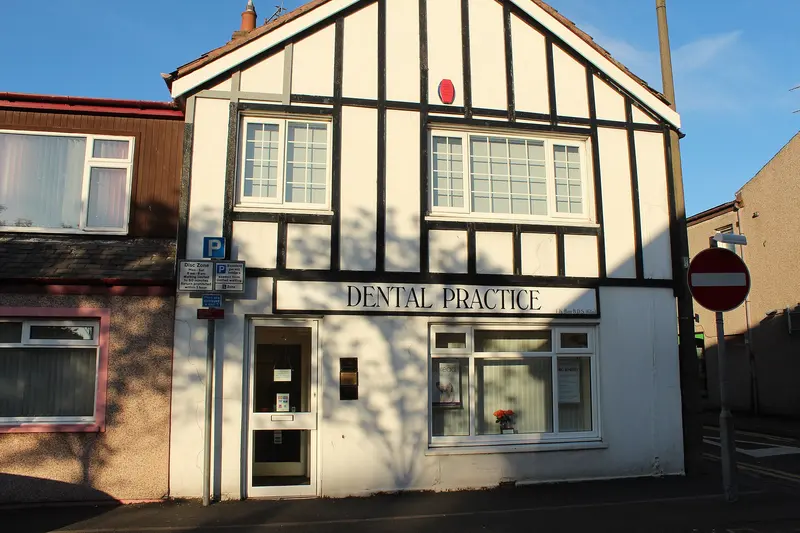
Dental practices close for some of the Christmas and New Year bank holidays, and toothache has a habit of starting on Christmas Eve. Knowing who to contact before you need them saves a lot of worry.
This post is general information from NHS sources checked on 22 November 2026. Arrangements vary from area to area, so check your own dental practice's answerphone or website for its holiday opening times. For the full details, see our emergency page.
Call 999 or go to A&E if…
The NHS lists these as reasons to call 999 or go to A&E rather than a dentist:
- a serious injury to your face or jaw
- bleeding from your mouth that will not stop
- swelling of your mouth, lips, throat or neck that makes it hard to breathe, or swelling that affects your ability to open your eyes
- a head or face injury with loss of consciousness, being sick or double vision
Urgent, but not 999
The NHS page on urgent dental care in England gives examples of problems that need an urgent appointment, including a knocked-out tooth, severe tooth or mouth pain that painkillers do not ease, a broken or loose filling, crown, bridge, denture or veneer, and a mouth ulcer that has lasted more than 2 weeks.
It says urgent treatment should be offered within 24 hours or 7 days depending on your symptoms. A knocked-out adult tooth needs emergency care within an hour, or as soon as possible.
Toothache has many causes, from decay to a cracked tooth. How to ease the pain now, when to see a dentist and when it's an emergency.
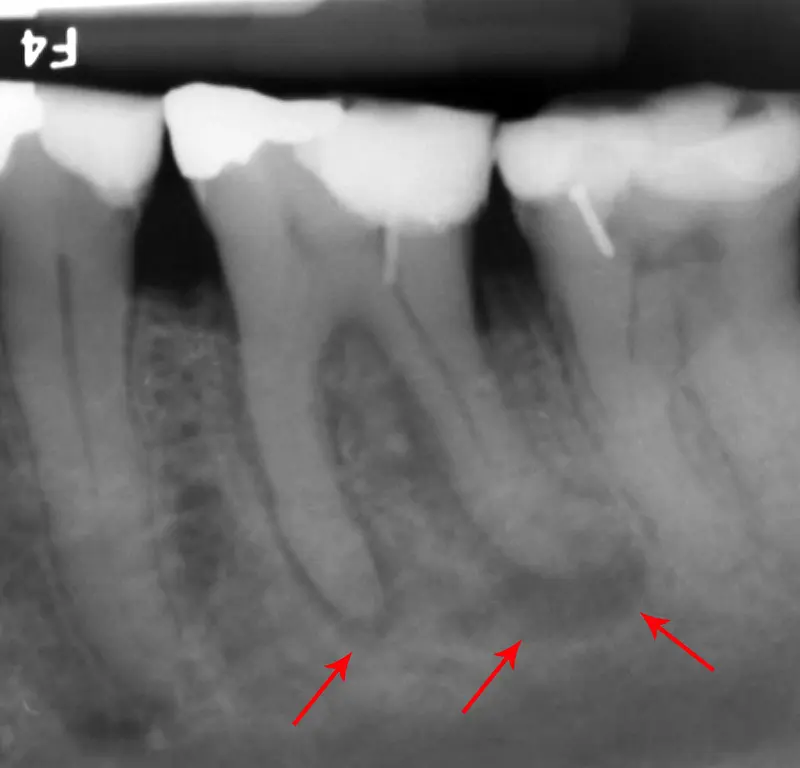
A build-up of pus from an infection in a tooth or gum. It will not go away on its own and needs urgent dental treatment.
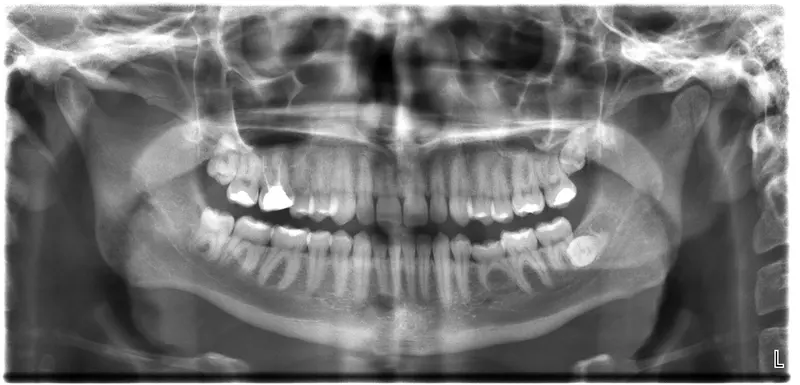
A tooth that has broken badly - especially after an accident - needs prompt dental care. What to do right now and what treatment may follow.
England
Contact a dentist and ask for an urgent appointment, or get advice from NHS 111, online or by phone. When practices are closed, NHS 111 is the place to start.
Scotland
If you are registered with a practice, contact it first during its opening hours. Outside those hours, NHS 24 on 111 provides urgent care and advice when dental practices are closed. NHS Highland, for example, tells people to phone 111 outside its dental helpline hours, and says out-of-hours dental care is by appointment only, with no drop-in.
Wales
NHS 111 Wales lists a dental helpline for each health board area. In several areas you call NHS 111 at any time; others have their own number with set hours. Check the page for where you live or are staying.
Northern Ireland
nidirect says to contact your own dentist first if you are registered, as some surgeries offer emergency appointments. If you are not registered, there is a dental access scheme on weekdays, and at weekends and on bank holidays you contact the Emergency Dental Clinics directly.
While you wait
The NHS says a pharmacist can advise on painkillers and common mouth problems, and pharmacies are often open when dental practices are not. The NHS toothache page says ibuprofen or paracetamol can help (children under 16 should not take aspirin), and suggests soft foods, chewing on the other side and avoiding very hot, cold or sweet food.
If a tooth is knocked out, act straight away: our emergency page explains how to handle it and where to get help within the hour. If a tooth chips, keep any broken piece in milk or saliva and take it with you: a dentist may be able to glue it back.
Read more: Chipped tooth · Lost or broken filling
Before the holidays
- Check your practice's holiday opening times and save its number.
- Save the right helpline for your area, and for where you will be staying.
- If something has been niggling, such as a loose filling or a sensitive tooth, ask for an appointment before the break rather than after.
- Keep painkillers you know you can take in the cupboard, and check the dates.
Read more: How to find an NHS dentist · What NHS treatment costs
Common questions
Can my GP help with toothache?
The NHS toothache page says a GP cannot give dental treatment. Contact a dentist, or NHS 111 if you cannot reach one. A pharmacist can advise on painkillers.
Do I have to pay for urgent NHS dental treatment?
The NHS says most adults pay for NHS dental appointments, and some people get free treatment. Our costs page explains the current charges in each UK nation and who is exempt.
Sources we used
- NHS: Emergency or urgent dental appointments
- NHS 111 online
- NHS: Toothache
- NHS: Chipped, broken or cracked tooth
- NHS Highland: Dental helpline and emergency dental treatment
- NHS 111 Wales: Dental helplines
- nidirect: Seeing a dentist
Checked 22 November 2026. Guidance changes, so always follow the advice of your own dental team. About our sources.